Feedback
AI Ad Video Example
Loading...
MiniMax H3 prompt
A practical walkthrough of MiniMax H3 prompt writing — how to label references, time each beat, aim the camera, and shape audio for 2K output with stereo sound.
All Tools
Discover our comprehensive AI-powered animation toolkit
MiniMax H3
MiniMax H3 AI Video Generator
Seedance 2.5
The Future of AI Video Is Here.
Seedance 2.0
The Future of AI Video Is Here.
Kling 3.0
Next-Gen AI Video Generator
Grok Video Generator
Create Videos from Text or Images with AI
MiniMax H3 video generator
MiniMax H3 AI Video Generator
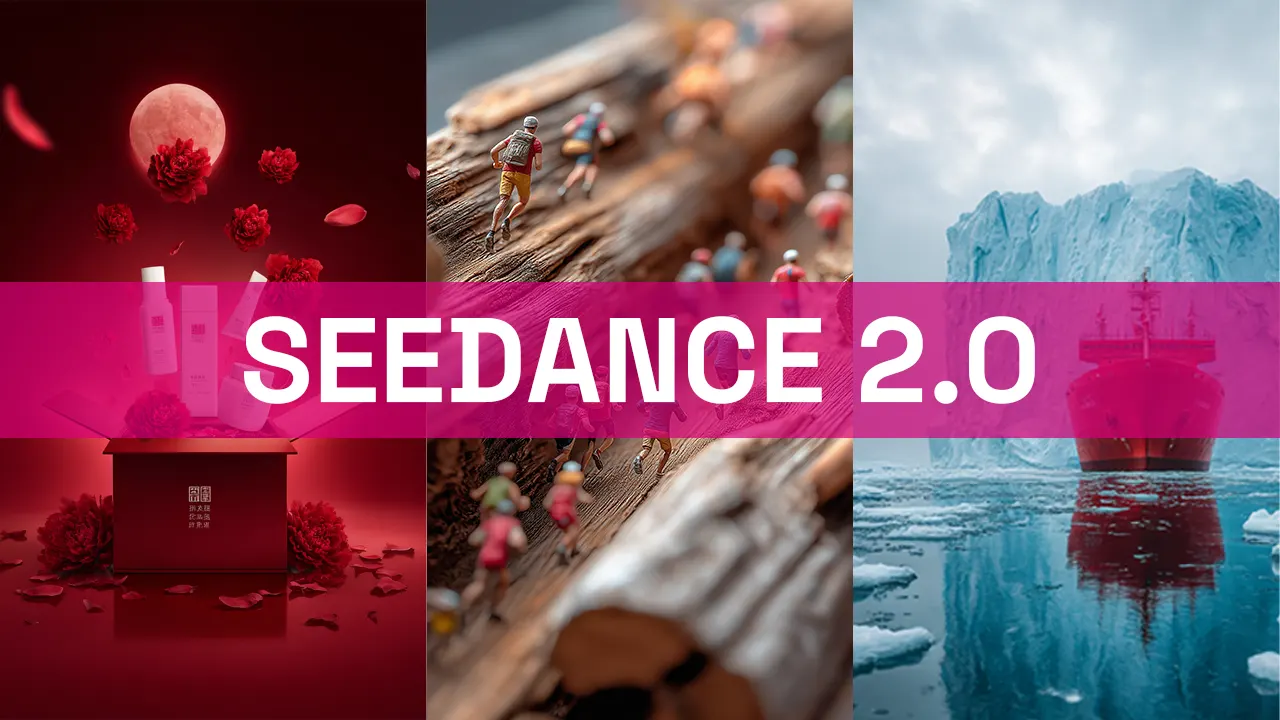
Seedance 2.0
The Future of AI Video Is Here.

3D Science Video
Create 3D science videos easily
What a Well-Built MiniMax H3 Prompt Unlocks
This MiniMax H3 prompt guide walks you through writing structured instructions for an open-weight, general-purpose multimodal video model that returns 5-15 second, 2K, 24fps clips with native stereo audio. Because a MiniMax H3 prompt accepts up to 7,000 characters, you can tag every reference asset with a job, lay out timecoded beats, direct camera work and sound design, and keep identity stable across scenes — all in one request.
- Give Every Reference a JobThe habit that changes the most output: state what each image, clip, or audio file is meant to do — mood, talent, product, style, or voice — inside the MiniMax H3 prompt.
- Timed Beats, Not Slide ShowsSplit a multi-beat scene into [0-2s], [2-4s] segments within one MiniMax H3 prompt, so the result reads as narrative rhythm rather than a run of still frames.
- Sound Written With PrecisionSpecify music structure, effects, and cloned voice work as carefully as the visuals in your MiniMax H3 prompt — sub-bass, hi-hats, foley, and dialogue timing included.
Writing a MiniMax H3 Prompt in Four Moves
Shape a professional MiniMax H3 prompt step by step to get 2K video with synchronized audio.
Core Techniques for a Strong MiniMax H3 Prompt
Eight habits drawn from the MiniMax H3 prompt guide — reference roles, timed shot blocks, audio direction, negative instructions, identity locking, edit constraints, cinematic language, and event-based transitions — for precise, professional video generation.
What to Exclude
Spell out what should not appear — 'No soft dissolves', 'no garbled characters', 'no jump scares' — to push the model away from unwanted results in the MiniMax H3 prompt.
Locking Characters and Props
Keep people, products, and settings recognizable across cuts by naming defining details in the MiniMax H3 prompt — hair, wardrobe, props, and typography stay steady.
Localized Edits With Guardrails
When editing, pair every change with what has to stay fixed in the MiniMax H3 prompt, so you get a targeted revision instead of a full regeneration.
Camera Vocabulary That Reads
Reach for shot scale, lens behavior, exposure, and film characteristics — handheld shake, rack focus, wide-angle distortion, film grain — right inside the MiniMax H3 prompt.
Cuts Described as Motion
Frame transitions as actions — whip pans, motion blur, optical smearing, exposure flicker — which lands more reliably than naming an effect in the MiniMax H3 prompt.
Room for the Whole Plan
An entire shot list plus sound design fits in a single MiniMax H3 prompt — full scene, timed shots, audio, and constraints in one request.
MiniMax H3 prompt — FAQ
Answers to the questions people ask most about writing effective MiniMax H3 video prompts.
What exactly is the MiniMax H3 prompt guide?
It is a collection of best practices for instructing MiniMax's open-weight multimodal video model. It covers tagging references, timed shot blocks, audio direction, negative instructions, identity locking, and cinematic language for 2K clips with native stereo sound.
Is there a limit on prompt length?
You can write up to 7,000 characters, which is enough to include a full shot list with timed beats, camera moves, audio design, and constraints in one MiniMax H3 prompt.
How should I organize several reference assets?
Give each asset an explicit purpose in the MiniMax H3 prompt — 'Image 1 for mood, Image 2 for talent, Audio 1 for voice' — with support for up to 9 images, 3 video clips, and 3 audio files per request.
Do I need to describe the audio too?
Absolutely — plan sound the way you plan a scene in the MiniMax H3 prompt. Note music structure, instrument timing, foley details, and dialogue so the native audio generation lines up with the edit.
How can I keep a character consistent?
List the traits that define them — hair, wardrobe, props, and scene details — inside the MiniMax H3 prompt, then carry those same notes through every timed beat and cut.
What mistakes should I avoid?
Loose pacing and unwanted styles. Replace slide-show sequences with timecoded blocks, and add negative directions to the MiniMax H3 prompt so unwanted elements stay out.
Write Your First MiniMax H3 Prompt Now
Ready to try it yourself? Follow the MiniMax H3 prompt guide and render 2K video with native stereo audio — every reference labeled, every beat timed, every camera and sound choice spelled out.